How much water should I drink each day?
Water is an essential ingredient for a healthy body. Do you get enough of it? These instructions may help you figure out the answer.
How much water should I drink per day? It is a simple question, but the answer is not easy.
Over many years, studies have produced mixed recommendations. But your individual water needs depend on many factors, including your health, how active you are and where you live.
There is no one-size-fits-all formula. However, knowing more about your body’s fluid needs can help you assess how much water you should drink each day.
What are the benefits of water for health?
Water is the main chemical component of your body, making up between 50% and 70% of your body weight. The body needs water to survive.
Every cell, tissue and organ in the body needs water to function properly. For example, water works to:
• Waste disposal through urination, sweating and defecation
• Maintain normal body temperature
• Joint softening and cushioning
• Protection of sensitive tissues
Lack of water can lead to dehydration, a condition that occurs when your body doesn’t have enough water to carry out normal functions. Even mild dehydration can drain your energy and make you feel tired.
How much water does a person need?
Every day, humans lose water through breathing, sweating, urinating and defecating movements. In order for the body to function properly, its water content must be restored by drinking drinks and foods containing water.
So, how much water does a healthy average adult living in a temperate climate need? The National Academies of Sciences, Engineering, and Medicine in the United States have determined that adequate fluid intake per day:
• Approximately 15.5 cups (3.7 liters) of fluids per day for men
• Approximately 11.5 cups (2.7 liters) of fluids per day for women
These recommendations include all liquids such as water and other beverages and foods. About 20% of your daily fluid intake usually comes from food and the rest comes from drinks.
How about the advice to drink 8 glasses of water a day?
You may have heard advice to drink eight glasses of water a day. It is a reasonable and easy goal to remember.
Most healthy people are able to stay hydrated by drinking water and other fluids whenever they feel thirsty. Less than eight cups a day may also be appropriate for the health of some. But others may need to drink more.
You may need to adjust your total fluid intake based on several factors:
• Exercise. If you do any sweat-causing activity, you need to drink more water to replace the amount of fluid lost. It’s important to drink water before, during, and after exercise.
• Environment.The heat or humidity of the air can cause sweat, which requires drinking extra fluids. Dehydration can also affect the body at higher altitudes.
• General state of health. Your body loses fluid when you have a fever, vomiting or diarrhea. Drink more water or follow your doctor’s advice to drink fluid replacement solutions. Other conditions that may necessitate increased fluid intake include bladder infections and urinary tract stones.
• Pregnancy and breastfeeding. Women who are pregnant or breastfeeding need to drink more fluids to maintain their hydration level.
Is water the only option to stay hydrated?
No. You don’t have to rely solely on water to meet your body’s fluid needs. What you eat also provides you with an important part. For example, many fruits and vegetables such as watermelon and spinach have about 100% water.
Drinks such as milk, juice and herbal teas also consist mainly of water. Even caffeinated beverages, such as coffee and soda, can contribute to the water content that enters your body daily. But try to be moderate in sugar-sweetened beverages. Regular soft drinks, energy drinks or sports drinks, and other sweetened drinks usually contain a large amount of added sugar that may provide your body with more calories than you need.
How do I know if I’m drinking enough fluids?
The amount of fluids you drink is likely to be sufficient if:
• If you rarely feel thirsty
• If the urine is colorless or light yellow
Your doctor or dietitian can help you determine how much water is right for you every day.
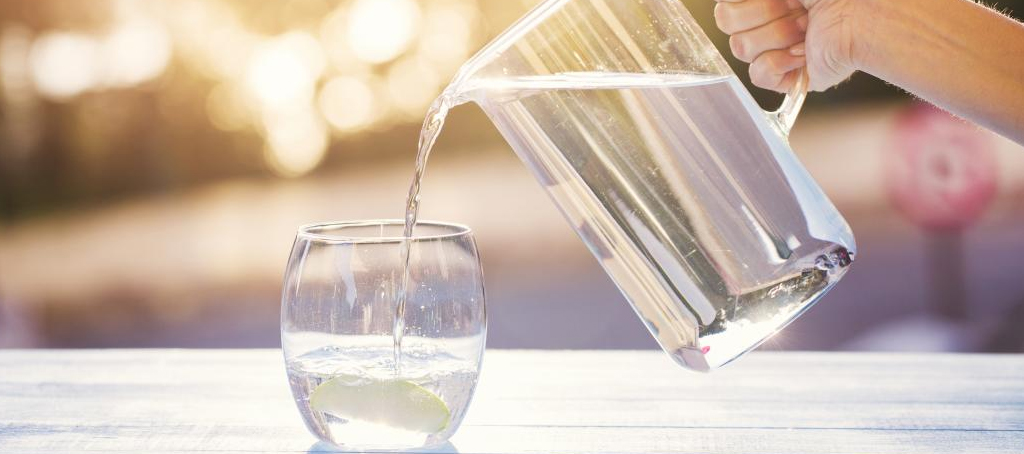
To prevent dehydration and make sure your body has the fluids it needs, make water your favorite drink. It is recommended to drink a glass of water at the following times:
• With every meal and between meals
• Before and after exercise
• When you feel thirsty
Should I worry about drinking too much water?
Drinking plenty of water rarely causes a problem for healthy adults who are well nourished. Sometimes athletes drink plenty of water to try to prevent dehydration after vigorous exercise. But when you drink too much water, your kidneys can’t get rid of excess water. The sodium content in your blood is then diluted. This condition is called sodium deficiency and can be life-threatening.
Healthy lifestyle